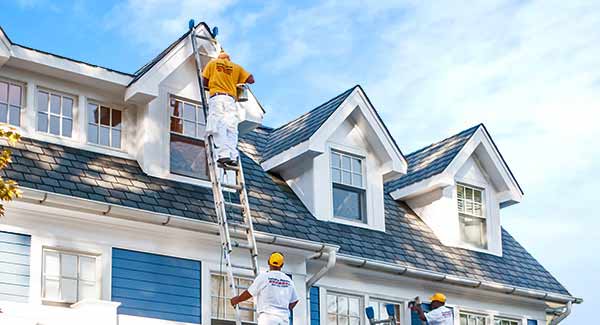
Paint in South Florida works harder than paint almost anywhere else in the country. The sun is intense year round, the air carries salt off the coast, and the humidity rarely lets up. All of that wears on a finish faster than it would in a milder climate. So the honest answer to "how often should I repaint my home?" is that it depends on a few things you can actually see and plan around. Here is how to think it through for both the outside and the inside of your house.
Why South Florida is tough on paint
Three forces do most of the damage here. Ultraviolet light fades color and breaks down the binders that hold paint together. Humidity and frequent rain push moisture into and out of surfaces, which can lift coatings and feed mildew. Salt air near the coast is corrosive and speeds up wear on anything exposed to it. The closer you are to the water and the more direct sun a wall gets, the sooner you will see the effects.
This is why a repainting schedule that works in a dry inland climate does not translate to Miami, the Keys, or the rest of the coast. Plan for the conditions you actually live in.
How often to repaint the exterior
Exterior surfaces take the full brunt of the climate, so they need attention more often than the inside of your home. Rather than a single number, watch for the factors below, since they move the timeline up or back.
| Surface | General range in South Florida | What shortens it |
|---|---|---|
| Stucco | Longer end of the range with quality paint | Cracks, trapped moisture, heavy sun exposure |
| Wood siding and trim | Shorter end of the range | Humidity, rot, peeling, sun on south and west walls |
| Stucco accents and doors | Varies with color and exposure | Dark colors fading, salt air, full afternoon sun |
A few things reliably move the date earlier. Walls that face south and west bake in the most sun. Homes near the ocean deal with constant salt. Darker colors fade sooner than lighter ones. And the grade of paint matters a great deal, since a premium exterior product built for UV and moisture will simply last longer than a budget one. Quality prep and the right coating are the heart of a lasting exterior paint job.
Signs your exterior is asking for a fresh coat
- Fading or chalky color that rubs off on your hand
- Cracking, peeling, or bubbling on stucco, wood, or trim
- Mildew or dark streaks on shaded or damp walls
- Caulk pulling away from windows, doors, and seams
If you are seeing these, do not wait. Once water gets behind a failing finish, you can move from a paint problem to a repair problem, and that costs more.
How often to repaint the interior
Inside, your walls are protected from sun and salt, so they last longer than exterior surfaces. Interior repainting is driven more by wear, moisture, and how a room is used than by the climate alone. Still, South Florida humidity finds its way indoors, especially in homes that are closed up and cooled for much of the year.
Some rooms need attention sooner than others:
- Bathrooms and kitchens see the most moisture and the most scrubbing, so their finishes wear faster.
- Hallways and kids' rooms collect scuffs, marks, and handprints from daily traffic.
- Bedrooms and formal living spaces tend to stay fresh the longest.
- Ceilings can go a long while unless you have had a leak or see mildew spotting.
Watch for yellowing, scuffs that no longer wipe clean, hairline cracks, or any sign of mildew in damp rooms. A washable, mildew resistant finish is worth choosing for South Florida bathrooms and kitchens, and it is one of the details we plan into every interior project.
Stretch the years between coats
A repaint lasts longer when the work underneath it is done right and when you take care of the finish afterward. A few habits help:
- Rinse exterior walls now and then to clear salt, dirt, and mildew spores.
- Keep gutters clear and fix small leaks early so water stays off your walls.
- Touch up trim and high traffic spots before the problem spreads.
- Run exhaust fans in bathrooms and kitchens to pull moisture out.
- Choose paint graded for sun, humidity, and salt rather than the cheapest option.
The single biggest factor in how long your paint lasts is the prep and product behind it. Good preparation and a coating matched to South Florida conditions can be the difference between repainting comfortably and chasing failures every couple of years.
Not sure where your home stands?
Every house is different, and the only way to know your real timeline is to look at the actual surfaces, the exposure, and the wear they are showing. That is exactly what a walkthrough is for. Vivid Coat is locally owned and works across South Miami and South Florida, so we know how this climate treats a finish and what holds up here. You can see the full range of what we do on our services page.
If your home is showing any of the signs above, or you simply want a clear read on how many years you have left, reach out for a free estimate. We will give you an honest assessment and a plan built for the way South Florida weather actually behaves.