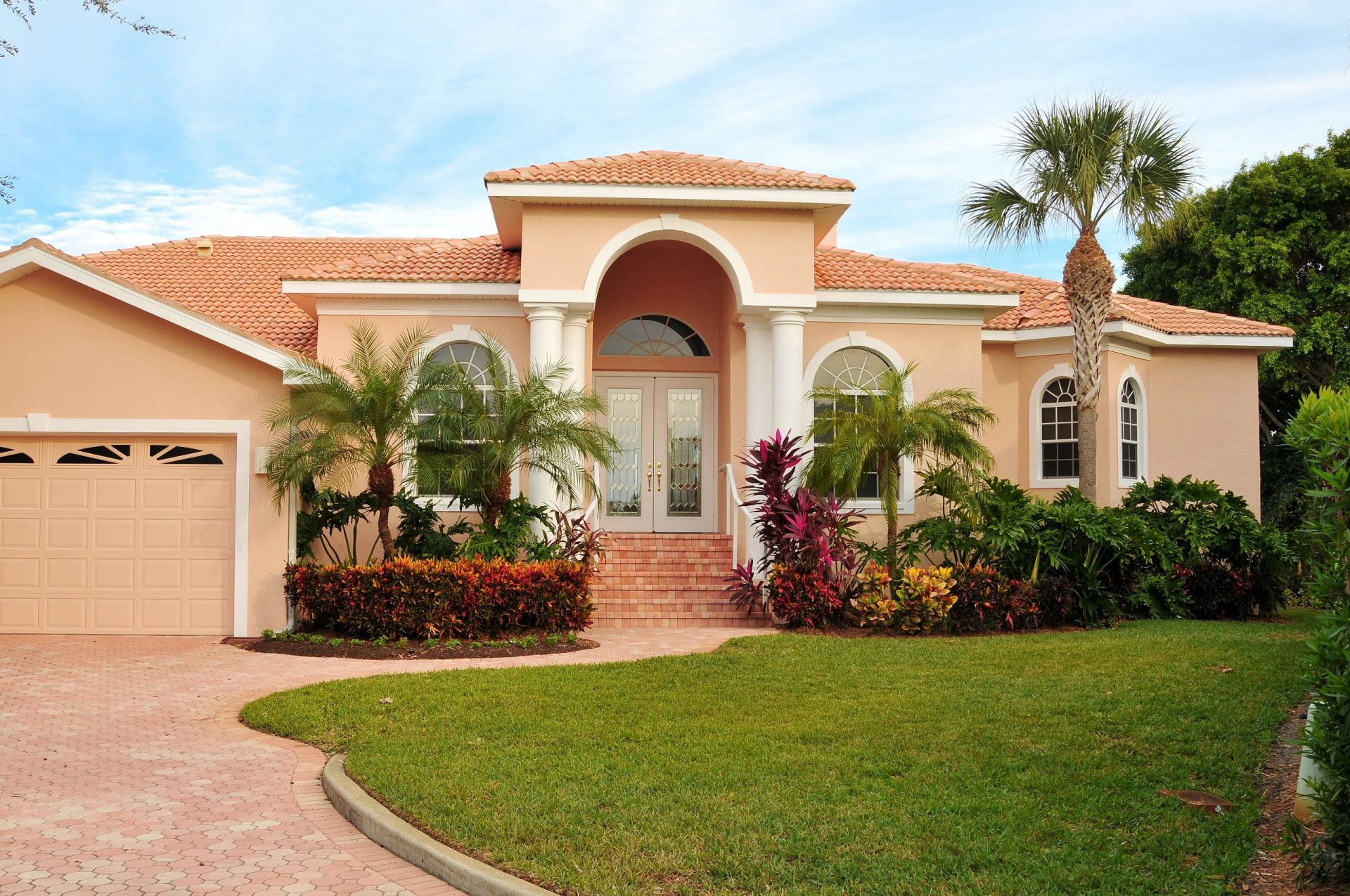
Florida is one of the hardest places in the country to keep a home looking freshly painted. Down here in South Miami and across South Florida, your exterior takes a daily beating from intense UV, high heat, heavy humidity, salt air near the coast, and the sideways rain that comes with summer storms. The wrong paint can fade, chalk, crack, or peel within a couple of seasons. The right paint over solid prep can keep your home looking sharp for years. Here is what actually matters when you choose exterior paint for the Florida climate.
Why Florida is so hard on exterior paint
Most paint failures we see are not about the color. They come from four forces working together all year long.
- UV exposure. Strong, near-constant sun breaks down the binders and pigments in lower quality paint, which leads to fading and a powdery surface called chalking.
- Heat. Surface temperatures on a sunny wall can climb far above the air temperature, which stresses the coating and the substrate underneath.
- Humidity and rain. Moisture is the enemy of adhesion. It feeds mildew, lifts paint that was applied to a damp surface, and works its way into any crack it can find.
- Salt air and storms. Near the coast, salt is corrosive and abrasive, and wind driven rain forces water into seams and hairline cracks that a calm shower would never reach.
The best paint types for Florida sun and humidity
100 percent acrylic latex
For most South Florida homes, a high quality 100 percent acrylic latex is the workhorse. Acrylic stays flexible, so it moves with the wall as it heats and cools. It breathes enough to let trapped moisture escape rather than blistering, and the better formulas hold their color and resist mildew far longer in our climate. When homeowners ask what to put on their stucco, siding, or trim, a premium acrylic is almost always the starting point.
Elastomeric coatings
Elastomeric paint is a thick, rubber-like coating built to bridge hairline cracks and resist wind driven rain. On a stucco home with surface cracking, it can be an excellent choice because it forms a flexible, water-shedding skin. The catch is that it must be applied to a sound, dry, properly prepared surface. Elastomeric over loose stucco or unrepaired cracks will trap moisture and fail. If your walls have real damage, the cracks need to be addressed first with proper stucco repair before any coating goes on. Elastomeric is also not the right answer everywhere, so it is worth getting a professional opinion before committing to it.
Prep is what makes paint last
In Florida, prep matters more than the can you buy. A premium coating applied over a dirty, damp, or chalky wall will not last, while a mid grade paint over excellent prep can outperform it. Good exterior prep here usually includes the following.
- Thorough cleaning. Washing off dirt, salt residue, mildew, and chalk so the new paint can actually grip the surface.
- Crack and surface repair. Filling cracks, fixing damaged stucco or siding, and sealing gaps where water can enter.
- Priming where needed. A good primer seals porous or repaired areas, blocks stains, and gives the topcoat a uniform surface to bond to. Bare stucco, raw wood, and patched spots almost always benefit from it.
- Dry conditions. Painting on a dry surface and watching the forecast so each coat can cure before the next storm.
The most expensive paint in the world cannot fix a surface that was never cleaned, repaired, or primed. In our climate, prep is half the job.
Choosing the right sheen
Sheen is not just about looks. It affects how the surface stands up to weather and how easy it is to clean.
| Sheen | Best use in Florida |
|---|---|
| Flat or matte | Hides imperfections on large stucco walls, but is harder to wash |
| Satin or low sheen | A popular choice for walls and siding, easier to clean and resists mildew better than flat |
| Semi-gloss | Trim, doors, and shutters, where you want durability and a wipeable surface |
For many South Florida homes, a low sheen or satin on the main walls with semi-gloss on the trim gives a clean look that holds up well and is easy to maintain.
Color choices for a hot climate
Lighter and mid tone colors reflect more heat and tend to show fading less dramatically than dark, saturated colors. Deep colors can absorb a lot of heat and may fade faster under our sun, so if you love a bold shade, ask about fade resistant formulas. A short conversation about color and climate up front can save you from repainting sooner than you planned.
Let Vivid Coat help you get it right
There is no single best paint for every home in South Florida. The right answer depends on your surface, your exposure to sun and salt, and the condition of your walls today. As a locally owned painting company serving South Miami and the surrounding area, Vivid Coat matches the coating, the prep, and the sheen to your specific home so the finish lasts in our climate. You can see our exterior painting work and our full list of services to get a sense of how we work.
If you are ready for a finish built to stand up to Florida sun, heat, humidity, and storms, contact us for a free estimate and we will walk your home with you and recommend the right approach.